

Highlights from Africa 2100’s Webinar with Fiona Lovatt
At our December Africa 2100 Monthly Webinar, we had the privilege of hosting Fiona Lovatt, founder of the Lovatt Foundation, for a powerful, story-driven presentation titled “100% Turnover Every Day!” What unfolded was not a theory of development—but a living, breathing model of grassroots economic transformation in Northern Nigeria.
From Displacement to Dignity
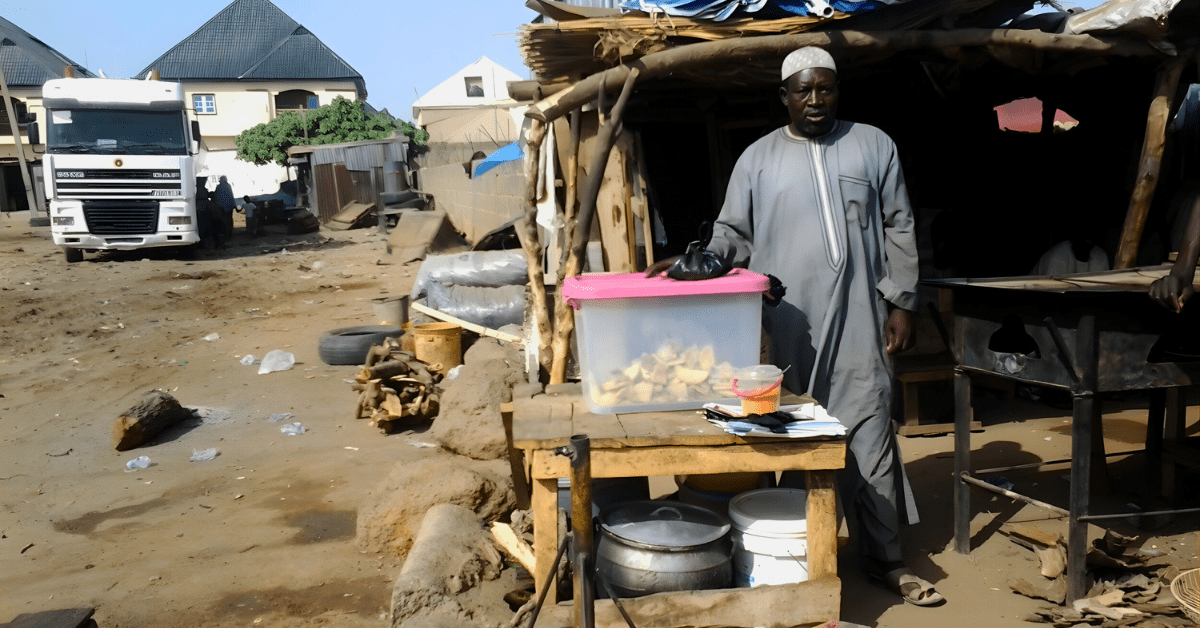
Fiona’s journey began with displaced families fleeing conflict in Maiduguri and Kano. What she discovered was not helplessness—but latent enterprise. With as little as ₦20,000 $(14) in interest-free seed capital, individuals were starting micro-businesses selling food items, charcoal, oil, snacks, tailoring services, and more—often doubling and tripling daily income within days.
One fisherman, displaced from Baga, began with just three yams. By the end of his first day, he had sold five times his starting capital. Within weeks, he was back in the fish trade. Within months, his son had recovered from tuberculosis, and he had returned home to rebuild his life.
The RUMBU Cluster Model
At the heart of Fiona’s work is the RUMBU system—a community-based, interest-free revolving loan model built on clusters of 10 people. Each member receives ₦20,000 ($14), repays ₦2,000 weekly for 10 weeks, and the repayments continuously fund new beneficiaries. The system:
- Is self-regulating
- Requires no formal literacy
- Focuses on complementary micro-businesses
- Creates shared accountability
- Grows organically without external dependence
In one community in Suleja, an initial ₦200,000 ($140) seed fund generated over ₦1,000,000 ($700) in economic activity within five months—a 5x community-level impact multiplier.
Redefining “Wealth”
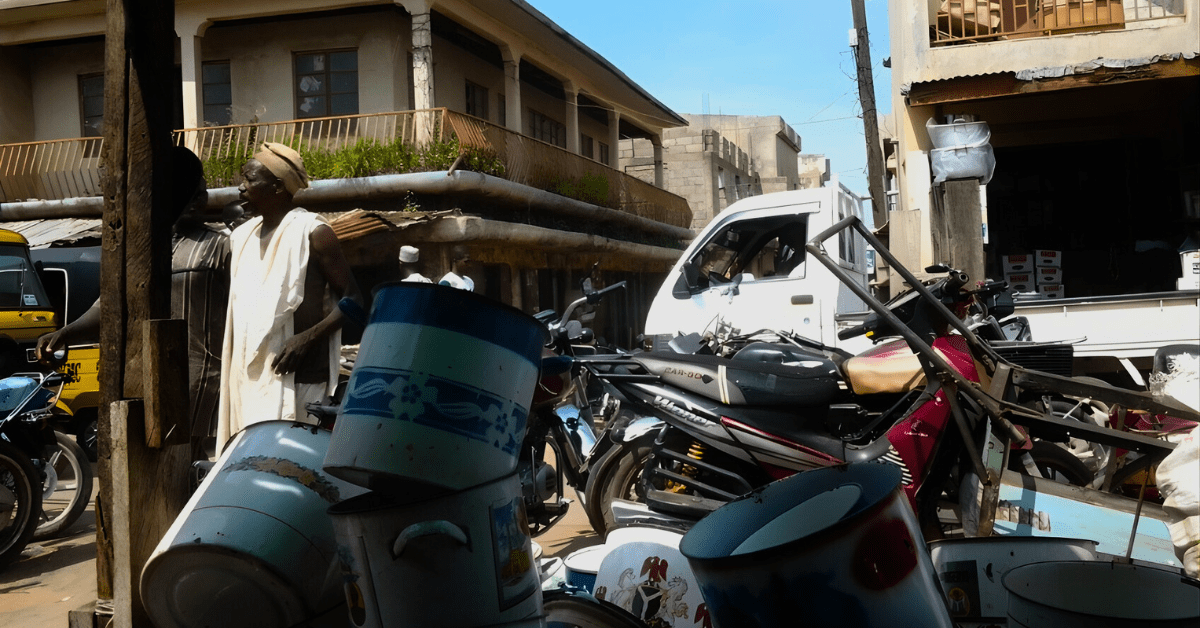
Fiona challenged conventional definitions of wealth. A bicycle becomes working capital. A plastic bucket becomes inventory. A cooking pot becomes a production facility. What matters is not capital size—but speed of reinvestment, relevance to daily demand, and dignity of ownership.
As she noted, empowerment is not found in exploiting artisans for middleman profit—but in enabling daily turnover at the household level.
Sustainability Without Dependency
“This does not rely on me. It relies on goodwill, trust, and community.”
Each cluster becomes self-sustaining. The model spreads not through institutions—but through neighbors watching neighbors rise.
Peace, Education, and Generational Impact
Beyond enterprise, Fiona shared the stories of war orphans who are now university graduates, including two first-class degree holders. Children once displaced by Boko Haram are now studying microbiology, agronomy, and environmental science—evidence that economic dignity fuels educational transformation.
Key Takeaways for Founders & Community Builders
- Start with what people already buy every day
- Speed > Scale at the grassroots
- Community accountability beats contracts
- Interest-free capital can outperform extractive finance
- Empowerment grows fastest when it’s localized and relational
Final Reflection
This session reminded us that entrepreneurship is not only about venture scale—it is about human restoration at scale. Fiona’s work proves that with the right structure, ₦20,000 ($14) can change a life, and ₦200,000 ($140) can transform a community—forever.